

Know Your Rights

A traffic stop moves fast, and most people have never thought through what they're actually required to do versus what they're allowed to decline. Knowing the difference doesn't make a stop go away, but it can prevent an ordinary stop from becoming something worse.
What You're Legally Required to Provide
California law is specific about this. Under Vehicle Code § 12951[1], a driver must present their license upon request by a peace officer, and must state their true full name and address if they don't have it with them. Drivers are also expected to provide vehicle registration and proof of insurance when asked. Under Vehicle Code § 2800[2], it's unlawful to willfully fail or refuse to comply with a lawful order, signal, or direction of a peace officer — which is why pulling over promptly and safely matters regardless of what happens afterward.
What You're Not Required to Say
Beyond identifying yourself and producing the required documents, you are not required to answer questions about where you're coming from, where you're going, whether you've been drinking, or anything else about your activities. The right to remain silent beyond providing basic identification exists at a stop just as it does anywhere else, and invoking it calmly and clearly — "I'd like to remain silent" — is different from being uncooperative.
Field Sobriety Tests Are Voluntary — Chemical Tests Are Not
This distinction trips people up constantly, and it matters. Roadside field sobriety tests (walking a line, standing on one leg, and similar exercises) are voluntary in California; declining them is not, by itself, a separate violation. Once a driver is lawfully arrested on suspicion of DUI, however, California's implied consent law under Vehicle Code § 23612[3] requires submission to a chemical breath or blood test, and refusing that test carries its own separate DMV consequences. Knowing which category a given test falls into — voluntary roadside evaluation versus mandatory post-arrest chemical test — is one of the more consequential distinctions during a stop.
You Can Decline a Search — But Say So Clearly
Consent to search a vehicle is a separate question from providing license and registration. A driver has the right to decline a request to search the vehicle, and doing so verbally and respectfully ("I do not consent to a search") preserves that objection for later, even if the officer proceeds anyway on some other legal basis, such as a claimed plain-view observation or probable cause.
Recording the Interaction
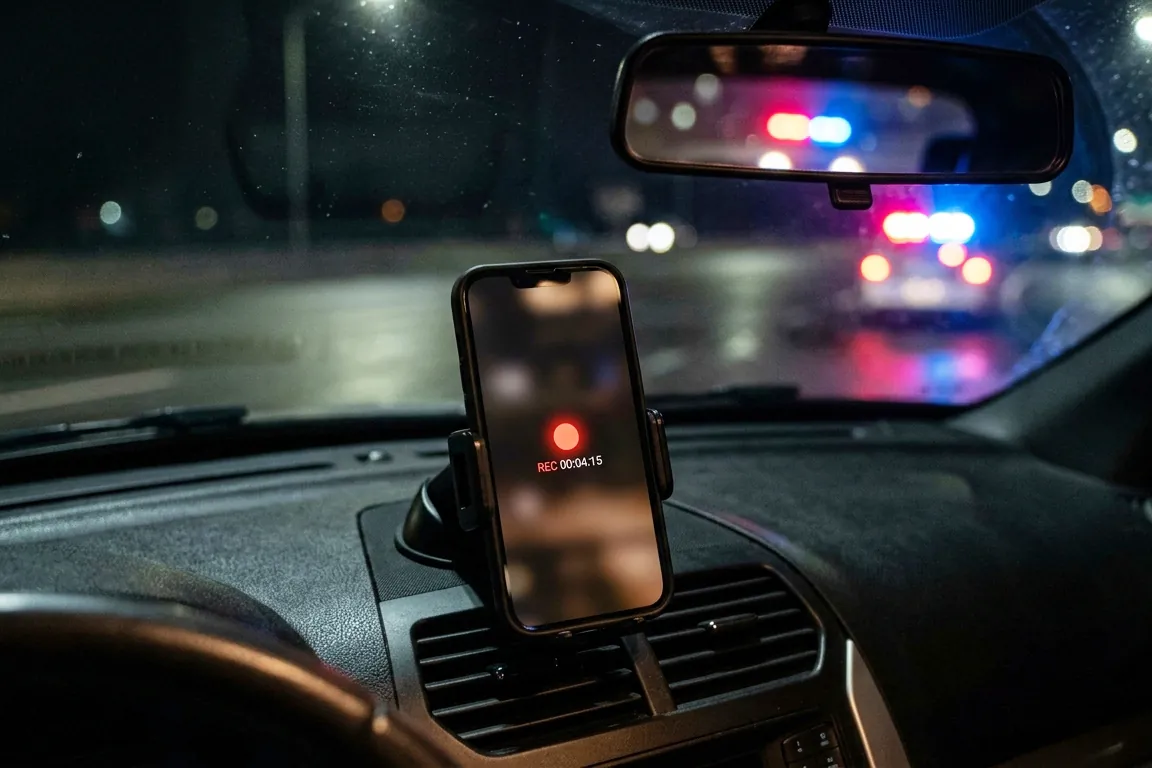
Motorists in California generally have the right to record their own traffic stops. Staying calm, keeping hands visible, and following lawful instructions from the officer remains the safest way to get through the stop itself, regardless of whether it's being recorded.
What Happens If You're Detained or Arrested
If a stop escalates to a detention or arrest, the same principle holds: identify yourself when required, comply with lawful physical instructions, and decline to answer substantive questions beyond that — reserving the actual explanation of what happened for an attorney, not the side of the road. Roadside arguments about the legality of the stop or the officer's conduct don't get resolved on scene; they get resolved in court, later, with the right evidence in hand.
Questions about your case? Call (323) 622-4951. Free, confidential, 24/7.
Passengers Have Rights Too
A passenger in a vehicle stopped for a traffic violation is generally not required to identify themselves or answer questions unless the officer has independent reasonable suspicion connecting that passenger to criminal activity. Passengers, like drivers, retain the right to decline to answer substantive questions beyond what's legally required.
What Officers Are and Aren't Allowed to Do
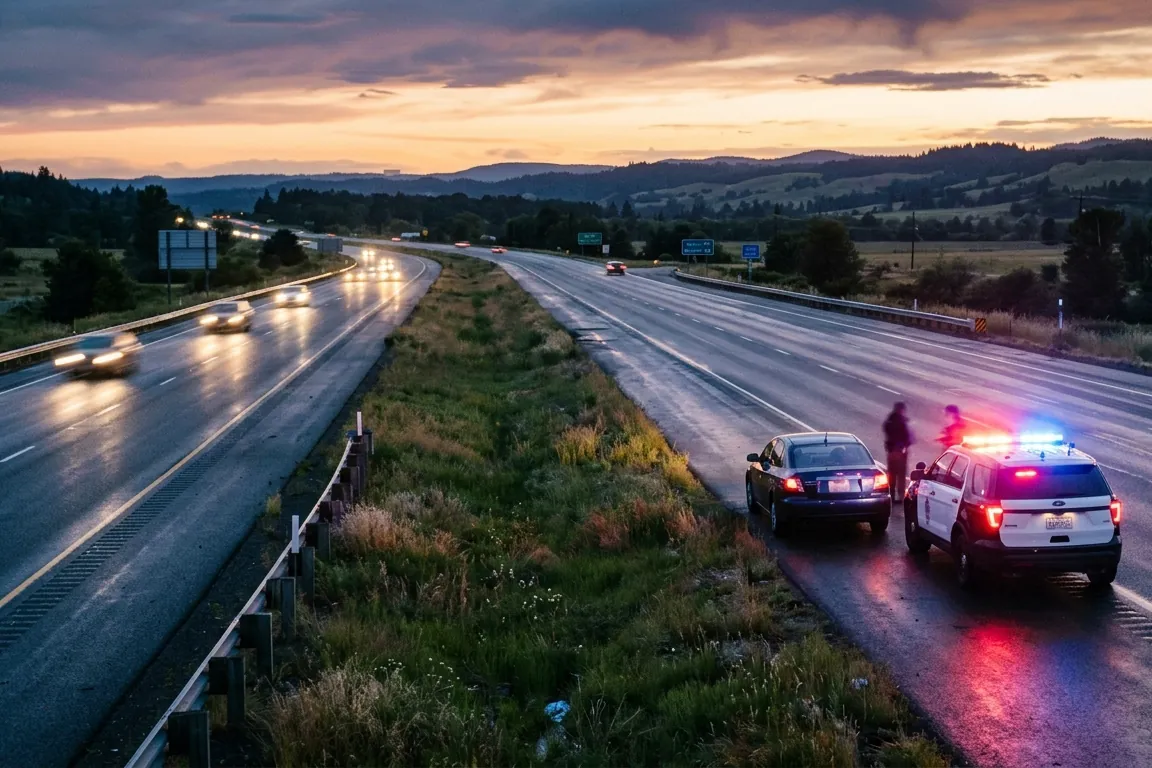
A traffic stop must be based on a valid reason — an observed violation or reasonable suspicion of one. Once the purpose of the stop is resolved (a citation issued, a warning given), the stop generally cannot be extended indefinitely to investigate unrelated matters without additional justification. Understanding this doesn't change what happens in the moment, but it can matter significantly later, when a defense attorney reviews whether the stop itself, or its duration, was lawful.
Why Politeness and Rights Aren't in Conflict
None of this requires being combative or argumentative at the roadside. Being polite, keeping hands visible, and following lawful instructions is entirely compatible with declining to answer questions or declining consent to a search. The goal during the stop itself isn't to win an argument with the officer — it's to get through the encounter safely while preserving every legal option for later.
A Quick Reference
- Do: Provide your license, registration, and proof of insurance when asked
- Do: Comply with lawful orders to pull over, stop, or exit the vehicle
- Don't: Answer questions about where you've been, what you've had to drink, or your activities
- Don't: Consent to a vehicle search — but don't physically resist one either
- Do: Clearly and calmly state that you're exercising your right to remain silent
Frequently Asked Questions
Do I have to answer if an officer asks if I've been drinking?
No — beyond identifying yourself, you're not required to answer questions about your activities, and you can decline to answer while still remaining polite and compliant with lawful instructions.
Is refusing a field sobriety test the same as refusing a chemical test?
No. Roadside field sobriety tests are voluntary, while a chemical breath or blood test after a lawful DUI arrest is required under California's implied consent law and carries its own separate consequences if refused.
Can I record my own traffic stop?
Generally, yes — motorists in California have the right to record their interactions with law enforcement during a stop.
Questions about your case? Call (323) 622-4951. Free, confidential, 24/7.
Had a Traffic Stop That Turned Into an Arrest?
What gets said in those first few minutes often becomes part of the case file. The Cespedes Law Firm, L.C. is headquartered in Chino Hills and represents clients in English and Spanish throughout California. Call (323) 622-4951 for a free consultation.
This article is general information about California law, not legal advice. Every case turns on its own facts; contact our office to discuss yours.