
Burglary is one of the most commonly misunderstood charges in California criminal law — many people assume it requires an actual theft to have occurred, but the statute is written far more broadly than that, which means a burglary charge can arise even when nothing was ever taken.
What the Law Actually Requires
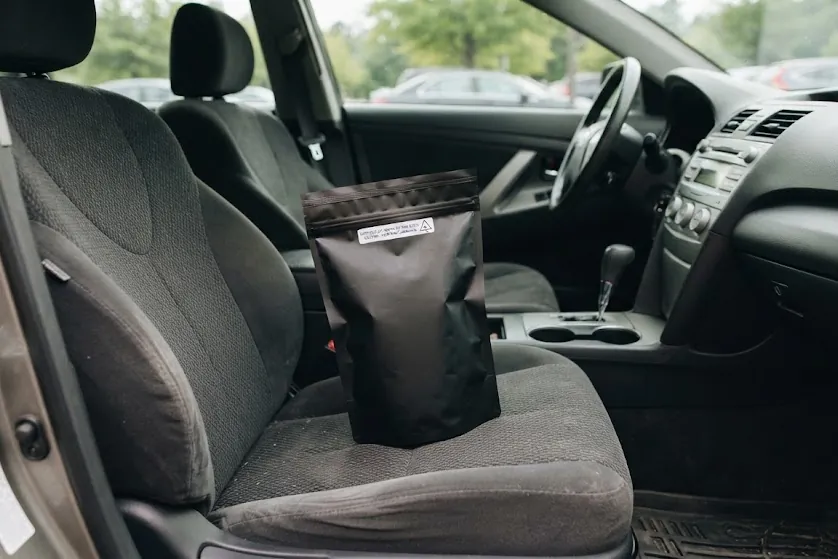
Under Penal Code § 459[1], burglary occurs when a person enters a building, room, vehicle, or other specified structure with the intent to commit a theft or any felony once inside. The crime is complete the moment someone enters with that intent — nothing actually needs to be stolen, and no felony needs to actually be committed, for the burglary charge itself to apply.
First-Degree vs. Second-Degree Burglary
Under Penal Code § 460[2], burglary of an inhabited dwelling is first-degree burglary, a felony carrying two, four, or six years in state prison. All other burglaries — of commercial buildings, unoccupied structures, or vehicles, for example — are second-degree burglary, a wobbler under Penal Code § 461[3], carrying up to one year in county jail as a misdemeanor or 16 months, two years, or three years as a felony.
The Intent Element Is Usually the Central Issue
Because burglary requires proof of intent to commit a theft or felony at the moment of entry, cases often turn on circumstantial evidence — what was in a person's possession, statements made at the time, or the specific circumstances of the entry — rather than direct proof of what was actually in someone's mind. A person who enters a structure lawfully, or without the required intent, hasn't committed burglary even if they later commit an unrelated offense once inside.
Entry Doesn't Require Breaking Anything
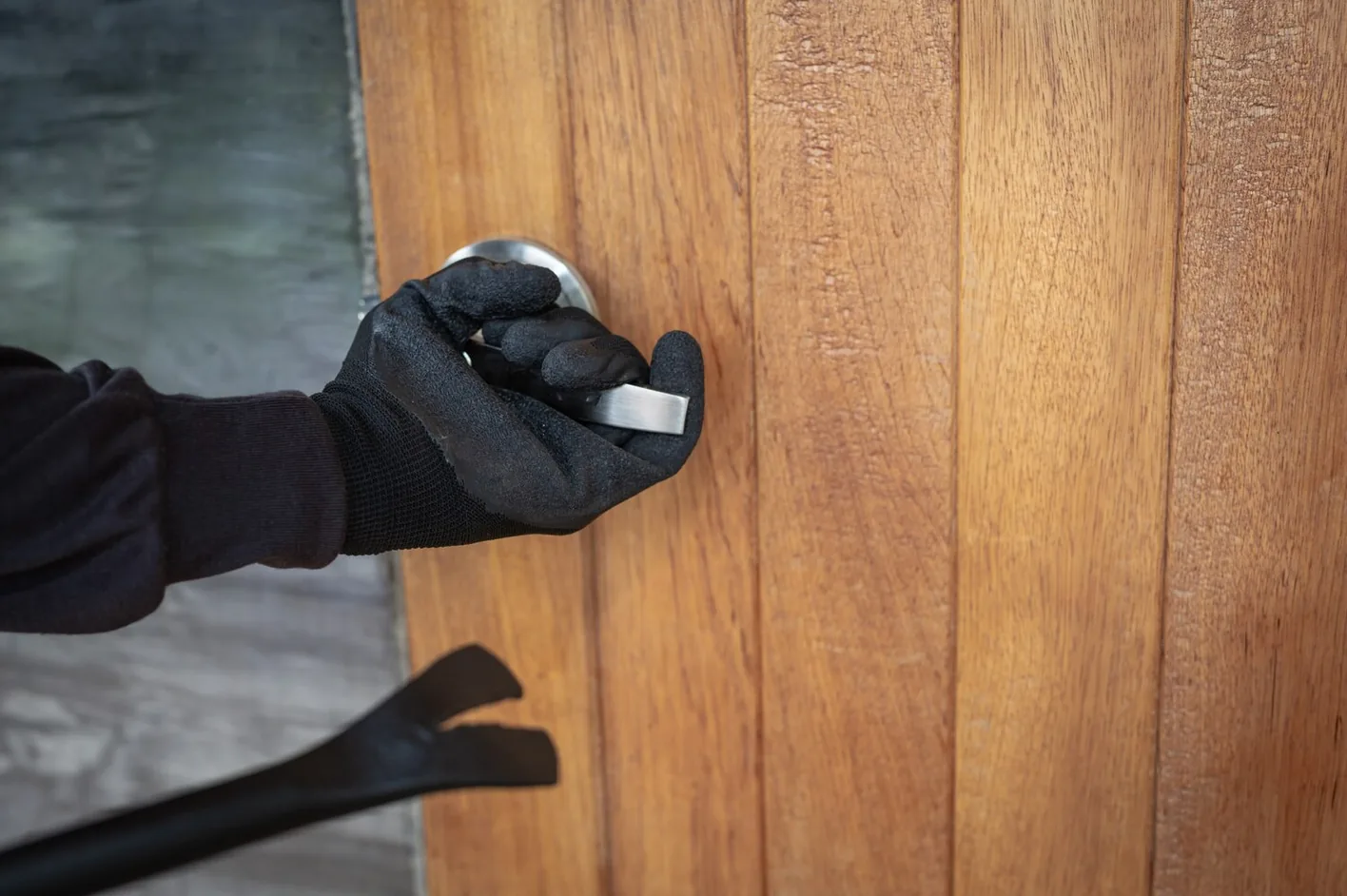
Unlike the popular conception of "breaking and entering," California's burglary statute doesn't require any forced entry at all. Walking through an open door or unlocked window with the requisite intent is enough to satisfy the entry element — which is why burglary charges frequently arise from situations where no damage or forced entry occurred.

Burglary and Theft Can Both Be Charged From the Same Incident
Because burglary is complete upon entry with intent, and theft requires the actual taking of property, a single incident where someone enters a home and steals something can result in charges for both burglary and theft. This is a common source of confusion, since it means a single act can lead to what looks like duplicate charges, though each requires the prosecution to prove distinct elements.
How Burglary Cases Move Through San Bernardino County Courts
A burglary arrest in Chino Hills is arraigned at the Rancho Cucamonga Justice Center[4]. First-degree burglary, being a straight felony, proceeds through a preliminary hearing, while second-degree burglary, as a wobbler, may be charged and proceed as either a misdemeanor or a felony depending on the District Attorney's initial filing decision.
What a Burglary Defense Typically Examines
- Whether the evidence actually establishes the required intent to commit a theft or felony at the time of entry
- Whether the structure entered actually qualifies as "inhabited" for first-degree classification purposes
- Whether the entry itself was lawful, such as with permission or a legal right to be present
- Whether the case involves improperly duplicated charges for the same underlying conduct
Questions about your case? Call (323) 622-4951. Free, confidential, 24/7.
Frequently Asked Questions
Do I have to actually steal something to be charged with burglary?
No — burglary is complete the moment someone enters a structure with the intent to commit theft or a felony inside; nothing needs to actually be taken for the charge to apply.
Does burglary require breaking a lock or window to get in?
No — entering through an open door or unlocked window with the required intent is enough to satisfy the entry element; no forced entry or property damage is required.
What makes a burglary "first-degree" instead of "second-degree"?
First-degree burglary specifically involves an inhabited dwelling. All other burglaries — of businesses, vehicles, or unoccupied structures — are second-degree, which is a wobbler rather than a straight felony.
Facing a Burglary Charge in Chino Hills?
Whether the required intent actually existed at the moment of entry is often the deciding issue in these cases. The Cespedes Law Firm, L.C. is headquartered in Chino Hills and represents clients in English and Spanish throughout California. Call (323) 622-4951 for a free consultation.
This page is provided for general information only and is not legal advice. Contact our office to discuss the specifics of your case.