












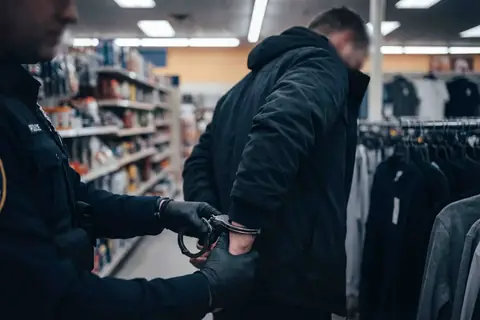













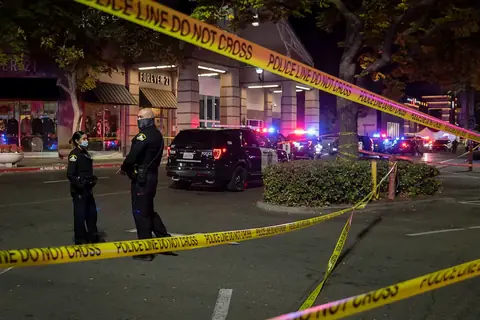
An arrest is the beginning of a process, not the end of one. Between an arrest and a resolution sits a series of decisions — about bail, about which charges actually get filed, about what evidence holds up — and having someone who knows the local courts involved from the start changes what's possible at every one of those decision points.
Serving Chino Hills and the Surrounding Region
The Cespedes Law Firm, L.C. is headquartered in Chino Hills, with additional offices in Diamond Bar and Bakersfield. While the firm represents criminal defense clients throughout California, its Chino Hills base means direct, day-to-day familiarity with the Rancho Cucamonga Justice Center[1] — the Superior Court of California, San Bernardino County location that handles arraignments and hearings for cases arising in Chino Hills, Chino, Ontario, Upland, and Montclair — as well as the San Bernardino County Sheriff's Department, which polices Chino Hills under contract, and the San Bernardino County District Attorney's Office[2], which decides which charges actually get filed.
How California Classifies Criminal Charges
Not every criminal charge carries the same stakes, and understanding where a charge falls matters from the first conversation:
- Infractions are the lowest tier — generally punishable by a fine only, with no right to a jury trial or court-appointed attorney in most cases, under Penal Code § 19.6[3].
- Misdemeanors carry up to one year in county jail and/or a fine, generally capped at $1,000 unless a specific statute sets a different amount, under Penal Code § 19[4].
- Wobblers can be charged as either a misdemeanor or a felony, at the discretion of the prosecutor (and later, in some cases, the court), under Penal Code § 17(b)[5].
- Felonies carry a year or more in county jail or state prison under California's determinate sentencing law, Penal Code § 1170[6].
The Firm's Areas of Criminal Defense Practice
The Cespedes Law Firm handles the full spectrum of criminal charges filed in San Bernardino County and throughout California, including:
- Crimes against persons — domestic violence, assault and battery, robbery, and more serious felony charges
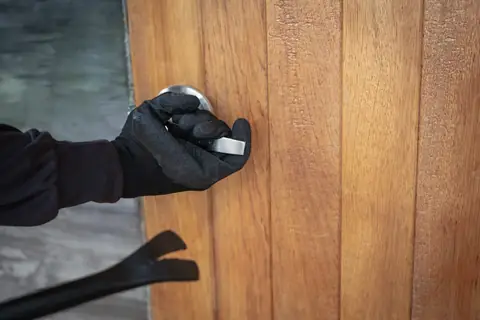
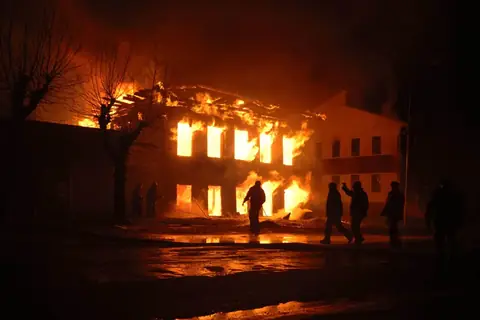
- Crimes against property — burglary, theft, vandalism, and arson
- Financial and white-collar charges — embezzlement, fraud, and identity theft
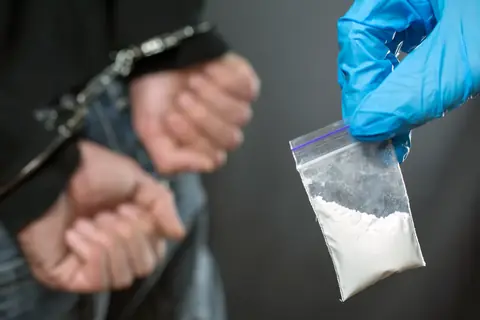
- Drug crimes, weapons violations, and other statutory offenses
- Inchoate charges — conspiracy, attempt, and solicitation
- DUI and impaired driving cases (see the firm's dedicated DUI defense practice for charge-specific pages)
Why an Early Conversation Matters
Charges filed at arraignment aren't always the last word. Between arraignment and resolution, an attorney has the opportunity to review the arrest report, challenge the legality of a stop or search, negotiate with the District Attorney's office, and — in felony cases — contest probable cause at a preliminary hearing. Each of those opportunities narrows the longer a case sits without an attorney actively working it.
Questions about your case? Call (323) 622-4951. Free, confidential, 24/7.
What Happens After an Arrest in San Bernardino County
Under Penal Code § 825[7], a person arrested and held in custody must be arraigned without unnecessary delay. At arraignment, the formal charges are read, a plea is entered, and the court sets bail or release conditions. From there, misdemeanor cases typically proceed through pretrial hearings toward a resolution or trial, while felony cases add a preliminary hearing stage, where a judge determines whether enough evidence exists to hold the defendant to answer on the charges.
What a Defense Attorney Reviews in Any Criminal Case
- Whether the initial stop, search, or arrest was legally justified
- Whether the evidence supporting the charge — witness statements, physical evidence, video footage — holds up to scrutiny
- Whether the charge was correctly classified (as an infraction, misdemeanor, wobbler, or felony) given the specific facts
- Whether a negotiated resolution, diversion program, or reduced charge is realistically available given the case's strengths and weaknesses
Frequently Asked Questions
What's the difference between a misdemeanor and a felony in California?
Generally, misdemeanors carry up to one year in county jail, while felonies carry a year or more in county jail or state prison. Some crimes, called "wobblers," can be charged as either depending on the facts and the prosecutor's discretion.
How quickly should I contact an attorney after an arrest in Chino Hills?
As soon as possible. The earlier an attorney is involved, the more opportunities exist to review evidence, negotiate before charges are formally filed, and prepare for arraignment at the Rancho Cucamonga Justice Center.
Does the Cespedes Law Firm only handle cases in Chino Hills?
No — the firm is headquartered in Chino Hills with additional offices in Diamond Bar and Bakersfield, and represents criminal defense clients throughout California.
Facing Criminal Charges in Chino Hills?
The decisions made in the earliest stages of a criminal case often shape everything that follows. The Cespedes Law Firm, L.C. is headquartered in Chino Hills and represents clients in English and Spanish throughout California. Call (323) 622-4951 for a free consultation.