
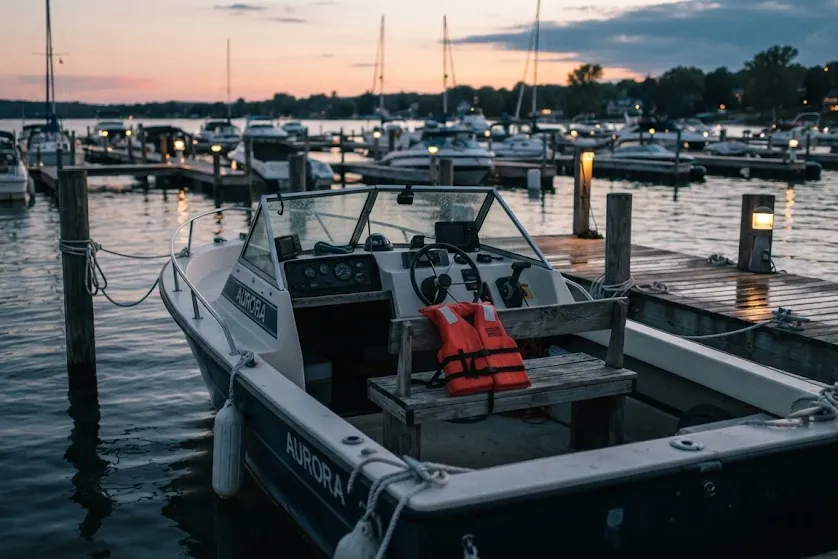
DUI laws aren't limited to cars. California treats operating a boat while impaired as its own offense, with its own BAC thresholds — and enforcement on Southern California's lakes and waterways, from Lake Perris to Puddingstone Lake, has increased in recent years.
California's BAC Thresholds for Boating
Under California Harbors and Navigation Code § 655[1], it's unlawful to operate a recreational vessel, or to manipulate water skis, an aquaplane, or similar equipment, with a blood alcohol concentration of 0.08% or more — the same threshold that applies to driving a car. For commercial vessel operators, the threshold is lower, at 0.04%, mirroring the commercial driver standard on the roads.
Chemical Testing Works Much Like a DUI Stop
Under Harbors and Navigation Code § 655.1[2], an officer with reasonable cause to believe someone was operating a vessel under the influence can request a chemical test of blood, breath, or urine. As with a standard DUI, a person has the right to refuse testing, though refusal can carry its own consequences, and officers retain the option to seek a search warrant.
Why BUI Cases Are Often More Contested Than People Expect
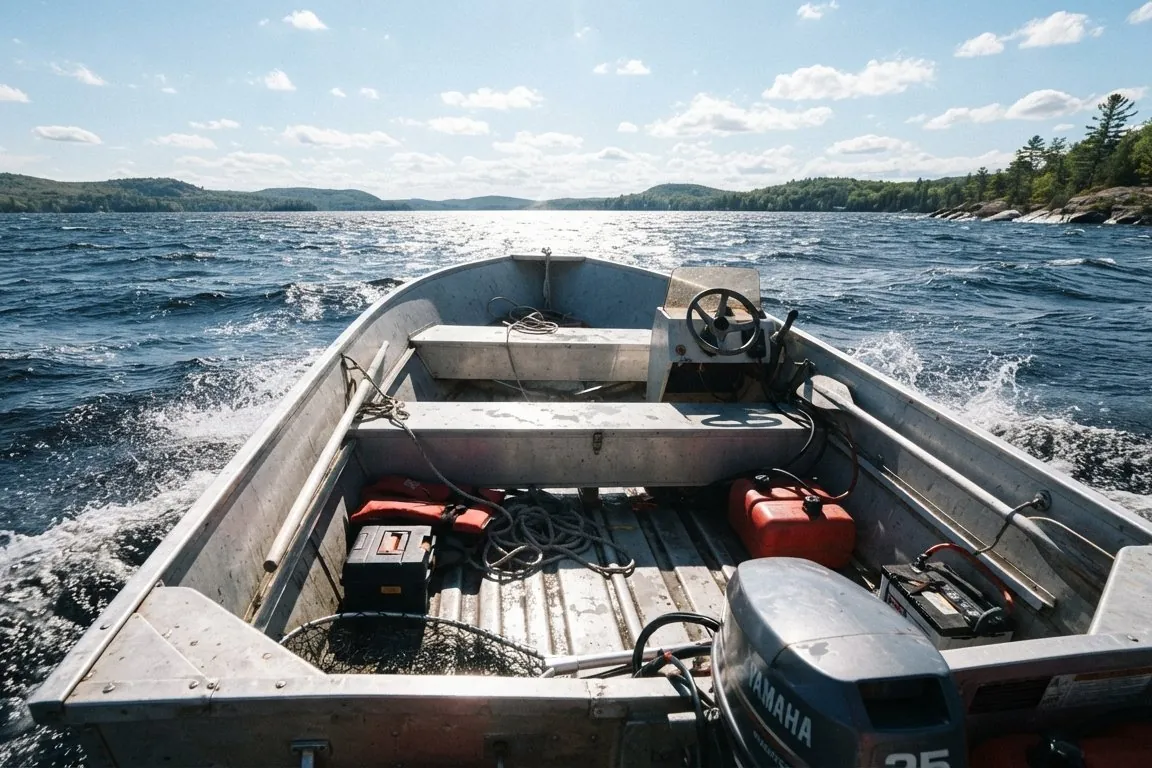
Boating conditions — wave motion, sun exposure, wind, and the layout of a boat deck — can make standard field sobriety tests, which were designed for a flat, stable surface, far less reliable indicators of impairment on the water. That gap between how these tests were designed to work and the environment they're actually administered in is frequently a central issue in a BUI defense.
How a BUI Arrest Reaches Chino Hills-Area Courts
Where a BUI case is filed depends on where the incident occurred, but for arrests on Southern California waterways within San Bernardino County's jurisdiction, cases are generally handled through the Superior Court of California, County of San Bernardino[3].
What a BUI Defense Typically Examines
- Whether field sobriety testing was conducted in a way that accounts for the instability and conditions of a boat deck
- Whether the officer had a lawful basis to stop and board the vessel in the first place
- Whether chemical testing equipment and procedures met the same standards required in a standard DUI case
- Whether the vessel actually met the legal definition that triggers Harbors and Navigation Code 655
Frequently Asked Questions
Is the legal BAC limit for boating the same as for driving a car?
Yes, for recreational vessels — 0.08%, the same threshold used for standard vehicle DUI cases. Commercial vessel operators face a lower 0.04% threshold.
Can I refuse a chemical test after a BUI stop?
Yes, though refusal can carry its own separate consequences, and officers can potentially seek a warrant to obtain testing regardless.
Are field sobriety tests as reliable on a boat as they are on land?
Not necessarily — the tests were designed for a stable, flat surface, and conditions on the water can significantly affect performance independent of actual impairment.
Questions about your case? Call (323) 622-4951. Free, confidential, 24/7.
Facing a Boating Under the Influence Charge?
BUI cases carry unique defense angles that a standard road DUI case doesn't raise. The Cespedes Law Firm, L.C. is headquartered in Chino Hills and represents clients in English and Spanish throughout California. Call (323) 622-4951 for a free consultation.
This page is provided for general information only and is not legal advice. Contact our office to discuss the specifics of your case.