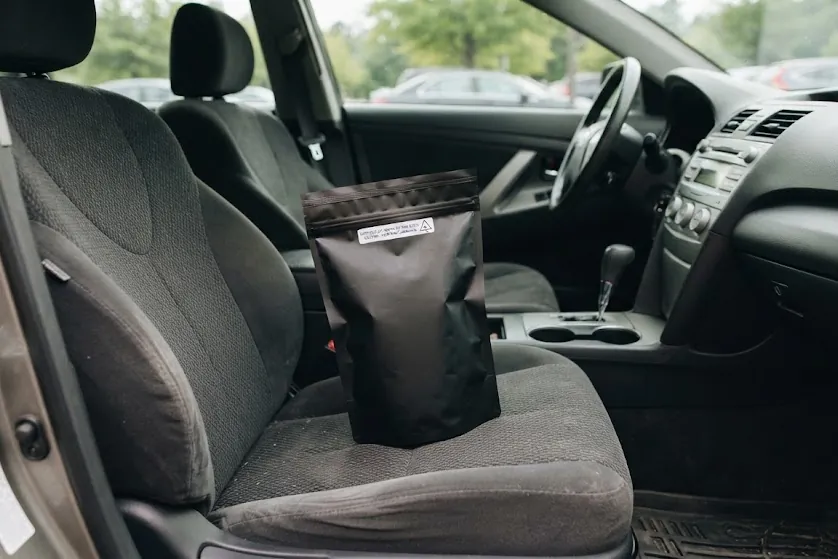

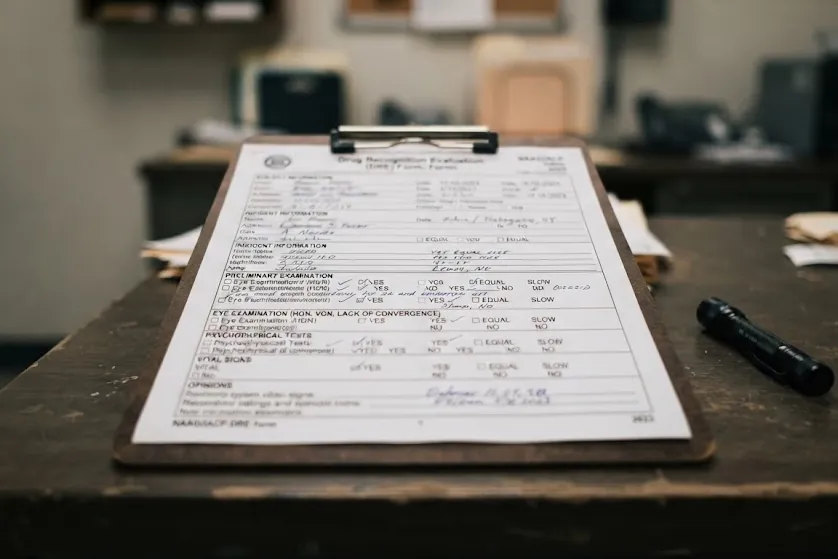
A DUI charge doesn't require alcohol at all. California law treats driving while impaired by any drug — illegal, prescription, or even over-the-counter — as its own basis for a DUI charge, and these cases often surprise people who never imagined a legally obtained medication could lead to an arrest.
The Law Doesn't Distinguish Between Drug Types
Under California Vehicle Code § 23152(f)[1], it's unlawful to drive while under the influence of any drug. This covers controlled substances, prescription medications taken as directed by a doctor, and even legal over-the-counter drugs like certain sleep aids or antihistamines, if they impair your ability to drive safely.
No Chemical Number Does the Work for the Prosecution
Unlike alcohol, where a 0.08% BAC creates a legal presumption of impairment, most drugs have no equivalent per se threshold under California law. That means DUID cases typically rely on:
- The officer's observations of driving pattern and behavior during the stop
- Field sobriety test performance
- Evaluation by a Drug Recognition Expert (DRE), a specially trained officer who assesses impairment through a structured, multi-step protocol
- Toxicology results showing the presence of a substance — which shows use, but doesn't by itself prove impairment at the time of driving
How DUID Cases Move Through Chino Hills Courts
A DUID arrest in Chino Hills is generally arraigned at the Rancho Cucamonga Justice Center[2], and proceeds through the same pretrial process as an alcohol-based DUI — with the added layer that drug evidence, DRE evaluations, and toxicology reports each require their own scrutiny.
A Valid Prescription Is Not a Defense by Itself
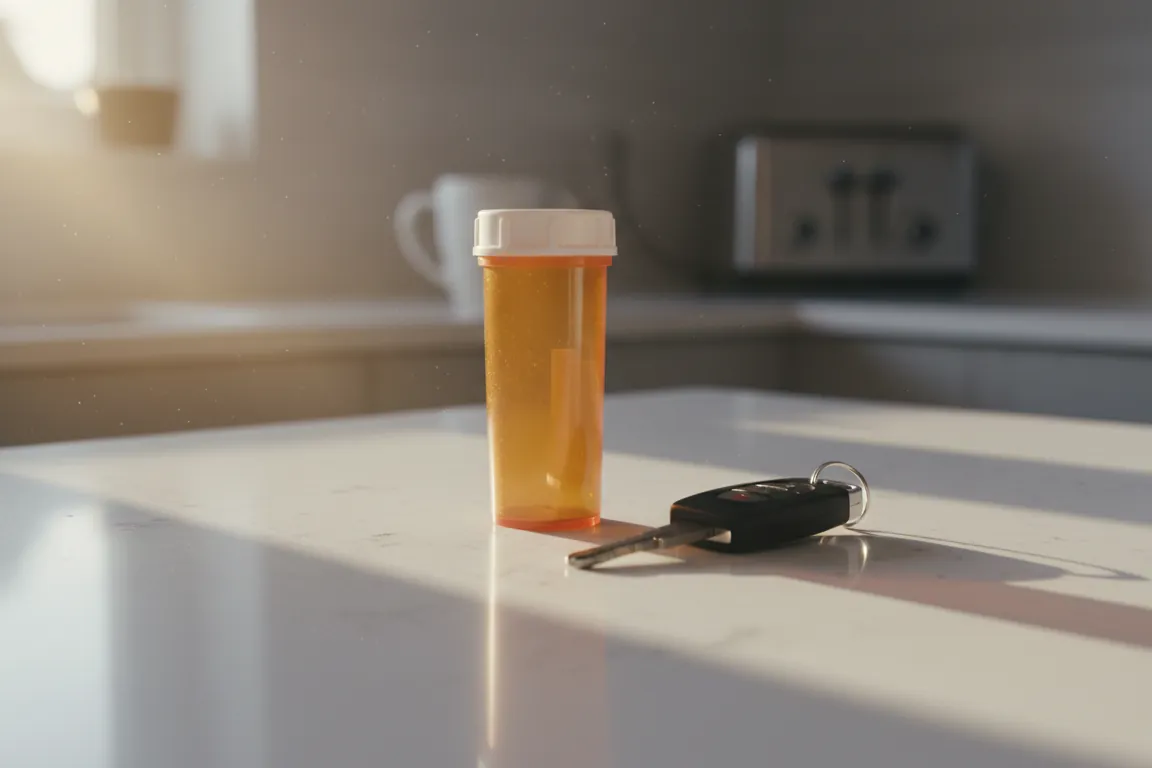
Having a doctor's prescription for a medication does not protect against a DUID charge if that medication impaired your ability to drive. The relevant question is whether you were actually impaired behind the wheel — not whether the substance was legally obtained.
What a Defense Typically Examines
- Whether the DRE evaluation, if one occurred, followed the required 12-step protocol
- Whether toxicology results are being used to suggest impairment they don't actually establish, since many substances remain detectable long after any impairing effects have worn off
- Whether the initial stop and field sobriety testing were properly conducted
- Whether the officer's training and certifications for drug recognition meet the required standard
Frequently Asked Questions
Can I be charged with DUI for taking a prescription medication as directed?
Yes, if the medication impaired your ability to drive safely — a valid prescription doesn't create an exception to Vehicle Code 23152(f).
What is a Drug Recognition Expert, and why does it matter for my case?
A DRE is an officer trained in a specific evaluation protocol used to assess drug impairment; whether that protocol was properly followed is often a key issue in a DUID defense.
Does a positive toxicology result mean I was impaired while driving?
Not necessarily — many substances remain detectable in the body well after any impairing effects have ended, which is a common point of dispute in these cases.
Facing a Drug DUI Charge in Chino Hills?
DUID cases often depend more on subjective evidence than people realize, which means there's frequently more room to challenge the evidence than in a straightforward alcohol case. The Cespedes Law Firm, L.C. is headquartered in Chino Hills and represents clients in English and Spanish throughout California. Call (323) 622-4951 for a free consultation.
This page is provided for general information only and is not legal advice. Contact our office to discuss the specifics of your case.