
Not every alcohol-related driving violation in California is a criminal DUI charge. For drivers under 21, the law creates a separate, civil-level violation with any detectable alcohol at all — and understanding the difference matters, because the process and the stakes are not the same as a standard DUI.
California's Zero Tolerance Law
Under California Vehicle Code § 23136[1], it's unlawful for anyone under 21 to drive with a blood alcohol concentration of 0.01% or greater — essentially, any detectable trace of alcohol. Critically, this is not a criminal offense. It's a civil, administrative violation, which means there's no criminal conviction and no jail exposure attached to it by itself.
What "Infraction-Level" Actually Means Here
Because Vehicle Code 23136 is civil rather than criminal, it doesn't carry the criminal record consequences of a misdemeanor or felony DUI. The consequence is administrative: a mandatory one-year suspension of driving privileges (or a one-year delay in obtaining a license, for those who don't yet have one). The law applies regardless of the source of the alcohol — it isn't limited to alcoholic beverages, and can be triggered by something as ordinary as cough syrup with alcohol content.
How a Zero Tolerance Stop Can Escalate
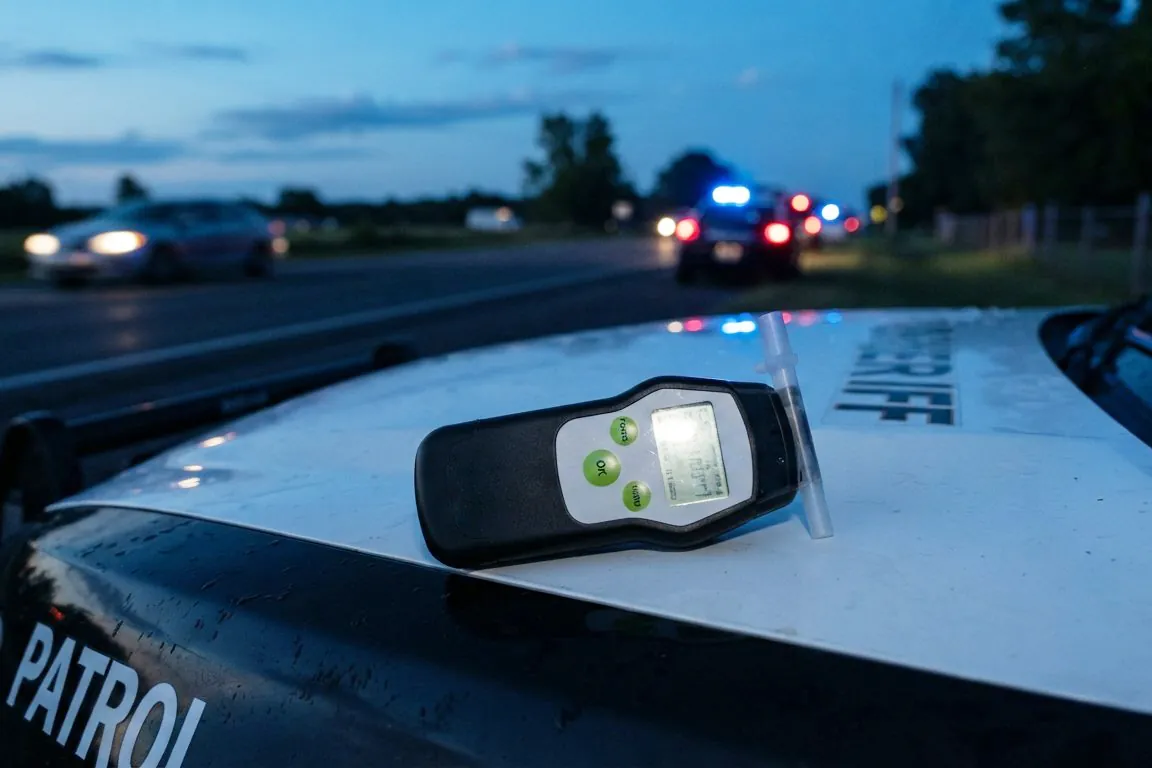
A traffic stop that starts as a possible zero tolerance violation doesn't always stay there. If a preliminary alcohol screening or chemical test shows a BAC of 0.05% or higher, the driver may instead be charged under Vehicle Code § 23140[2], which is an infraction carrying a $100 fine, a one-year license suspension, and a mandatory alcohol education program. And if the BAC reaches 0.08% or higher, the case can be prosecuted as a standard adult misdemeanor DUI under Vehicle Code 23152 — with the full criminal consequences that involves.
Why the Distinction Matters for a Young Driver
Because these three thresholds — 0.01%, 0.05%, and 0.08% — carry meaningfully different consequences, the actual test result and how it was obtained is often the central issue in these cases. A civil administrative violation and a criminal misdemeanor conviction are not remotely the same thing for a young person's record going forward.
How These Matters Are Handled Near Chino Hills
While a pure Vehicle Code 23136 civil violation doesn't typically involve San Bernardino County criminal court, any case that escalates to Vehicle Code 23140 or a standard DUI charge would proceed through the same Rancho Cucamonga Justice Center[3] process as other DUI cases arising in Chino Hills.
Frequently Asked Questions
Will a zero tolerance violation show up as a criminal conviction?
No — Vehicle Code 23136 is a civil, administrative violation, not a criminal offense, so it doesn't create a criminal record by itself.
What happens if my BAC was higher than 0.01% but still under 0.08%?
You may instead be cited under Vehicle Code 23140, which is an infraction with its own penalties, separate from both the civil zero tolerance law and a standard adult DUI charge.
Can a minor be charged with a standard adult DUI?
Yes — if the BAC reaches 0.08% or higher, the case can be prosecuted under the same Vehicle Code 23152 that applies to adult drivers, with full misdemeanor consequences.
Questions about your case? Call (323) 622-4951. Free, confidential, 24/7.
Cited Under California's Zero Tolerance Law in Chino Hills?
Which threshold applies — and how the test was administered — makes a real difference to the outcome. The Cespedes Law Firm, L.C. is headquartered in Chino Hills and represents clients in English and Spanish throughout California. Call (323) 622-4951 for a free consultation.
This page is provided for general information only and is not legal advice. Contact our office to discuss the specifics of your case.