

A misdemeanor sits in the middle of California's three-tier system of criminal offenses — more serious than an infraction, but without the state prison exposure of a felony. That middle position is exactly why misdemeanor cases deserve careful attention: the stakes are real, but so is the range of realistic outcomes available with the right approach.
What Defines a Misdemeanor Under California Law
Under Penal Code § 19[1], unless a specific statute sets a different penalty, a misdemeanor conviction is punishable by up to six months in county jail, a fine of up to $1,000, or both. Many misdemeanor statutes set their own specific penalty ranges that differ from this default — some allowing up to a full year in county jail, others carrying higher fine amounts, depending on the conduct involved.
Misdemeanors Cover an Enormous Range of Conduct
Unlike felonies, which tend to involve more serious or violent conduct, misdemeanors cover an extremely wide spectrum — from a first-offense DUI, to petty theft, to simple assault or battery, to a wide range of statutory and regulatory violations. This range matters because the actual severity of a misdemeanor charge, and the realistic options for resolving it, can vary enormously even within the same broad classification.
Misdemeanor Defendants Have a Right to a Jury Trial and Appointed Counsel
Unlike infractions, a misdemeanor defendant has the same fundamental constitutional rights as a felony defendant: the right to a jury trial, the right to court-appointed counsel if they can't afford an attorney, and the right to confront witnesses against them. These rights create real leverage in negotiating a resolution, since the prosecution bears the same burden of proof — beyond a reasonable doubt — that applies to a felony case.
Diversion and Alternative Resolutions Are More Available for Misdemeanors
Many misdemeanor charges are eligible for pretrial diversion programs, deferred entry of judgment, or other alternative resolutions that aren't available for most felonies — allowing a case to be dismissed after completing specific conditions, without a formal conviction on the record. Eligibility depends heavily on the specific charge, the county's local policies, and the defendant's criminal history, which makes an early evaluation of these options worthwhile in nearly every misdemeanor case.
How Misdemeanor Cases Move Through Chino Hills Courts
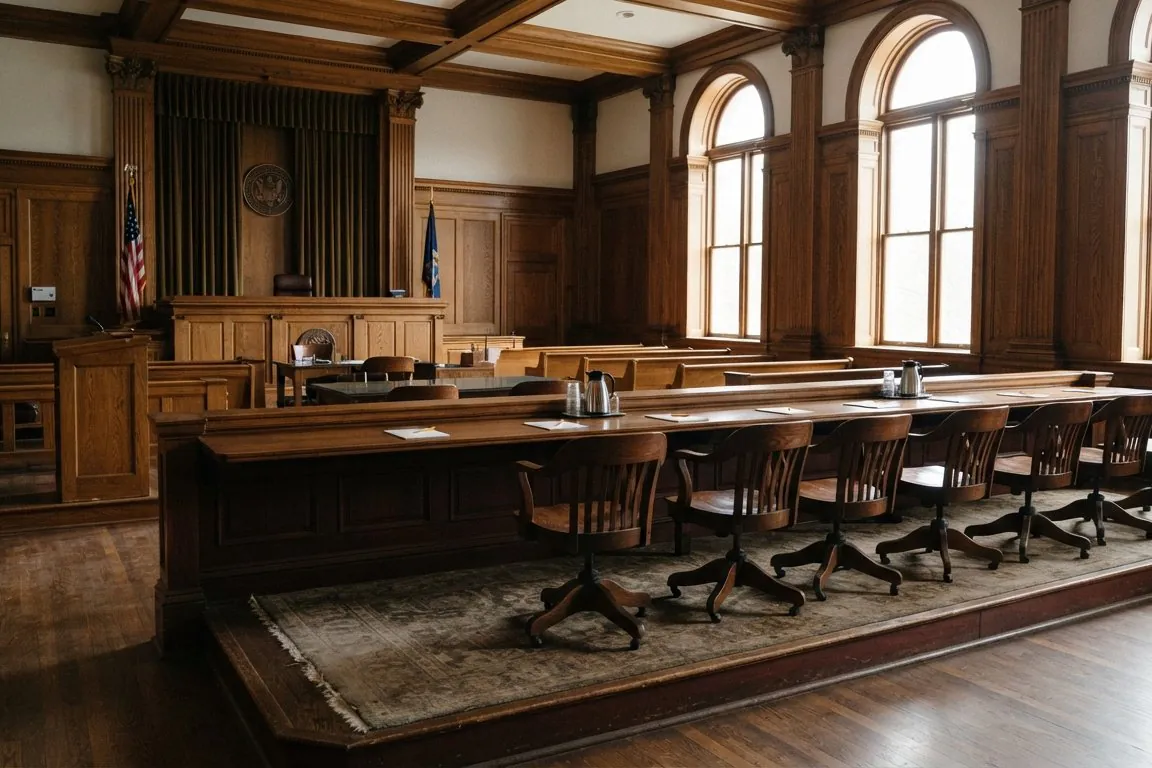
A misdemeanor arrest in Chino Hills is arraigned at the Rancho Cucamonga Justice Center[2], the San Bernardino County Superior Court location serving the area. From arraignment, most misdemeanor cases proceed through one or more pretrial hearings, where the arrest report and any additional evidence are reviewed and negotiated, before resolving through a plea agreement, diversion, dismissal, or trial.
A Misdemeanor Conviction Still Creates a Criminal Record
Even without state prison exposure, a misdemeanor conviction is a criminal conviction, and it appears on background checks used by employers, landlords, and licensing boards. For qualifying convictions, California's expungement process under Penal Code § 1203.4[3] offers a path to have the case dismissed after probation is successfully completed, which is why avoiding an unnecessary conviction in the first place — or securing a resolution that doesn't result in one — is usually worth pursuing before assuming a guilty plea is the only path forward.
Questions about your case? Call (323) 622-4951. Free, confidential, 24/7.
What a Misdemeanor Defense Typically Examines
- Whether the underlying evidence actually supports the specific charge filed, or whether a lesser charge more accurately fits the facts
- Whether the case qualifies for a pretrial diversion program or another alternative resolution that avoids a conviction
- Whether the initial stop, search, or arrest was legally justified
- Whether a negotiated resolution is realistically available given the strength of the evidence and the defendant's history
Frequently Asked Questions
Can I go to jail for a misdemeanor in California?
Yes — misdemeanors generally carry up to six months or, for many specific statutes, up to one year in county jail, along with fines and probation conditions.
Do I have the same rights in a misdemeanor case as in a felony case?
Largely yes — misdemeanor defendants have the right to a jury trial, court-appointed counsel if needed, and the same beyond-a-reasonable-doubt burden of proof that applies to felony cases.
Can a misdemeanor conviction be removed from my record later?
In many cases, yes — California's expungement process under Penal Code 1203.4 allows a qualifying misdemeanor conviction to be dismissed after successfully completing probation.
Facing a Misdemeanor Charge in Chino Hills?
The range of outcomes for a misdemeanor case is often wider than people expect, especially with an early, thorough review of the evidence. The Cespedes Law Firm, L.C. is headquartered in Chino Hills and represents clients in English and Spanish throughout California. Call (323) 622-4951 for a free consultation.
This page is provided for general information only and is not legal advice. Contact our office to discuss the specifics of your case.