

Obstruction-related charges are among the most commonly filed offenses in California, often arising alongside another charge from the same encounter with police. But the statute requires more than simply arguing with an officer or failing to immediately comply — and how an encounter actually unfolded is frequently the deciding factor in these cases.
Resisting, Obstructing, or Delaying a Peace Officer
Under Penal Code § 148[1], it's a misdemeanor to willfully resist, delay, or obstruct a peace officer or emergency medical technician in the performance of their duties. This is one of the most frequently charged offenses in California, punishable by up to one year in county jail, and it's often filed alongside a separate underlying charge from the same interaction.
The Officer Must Be Engaged in "Lawful" Duties
A critical, often-overlooked element of this charge is that the officer must have been engaged in the lawful performance of their duties at the time of the alleged resistance. If the underlying stop, detention, or arrest itself was unlawful, a person generally cannot be convicted of resisting or obstructing an officer during that same unlawful action — which makes the legality of the underlying police conduct directly relevant to an obstruction charge, not a separate issue from it.
Resisting an Executive Officer With Force or Threats
Under Penal Code § 69[2], a more serious version of this offense applies when a person uses force or violence, or makes a threat of force or violence, to resist an executive officer (which includes many peace officers) in the performance of their duties. This is a wobbler, carrying up to one year in county jail as a misdemeanor or 16 months, two years, or three years in state prison as a felony.
"Obstruction" Doesn't Require Physical Resistance
Obstruction under Penal Code 148 can be established through non-physical conduct as well — providing false information to an officer, refusing to comply with a lawful order in a way that impedes an investigation, or otherwise interfering with an officer's ability to perform their duties can potentially qualify, even without any physical confrontation involved.
Mere Verbal Criticism or Passive Non-Compliance Isn't Automatically a Crime
California courts have recognized that simply arguing with an officer, verbally criticizing police conduct, or exercising a constitutional right — such as remaining silent or asking whether you're free to leave — doesn't by itself constitute obstruction. The statute requires an actual act of resistance, delay, or obstruction, not mere disagreement or the assertion of one's legal rights.
Body-Worn Camera Footage Is Often Central Evidence
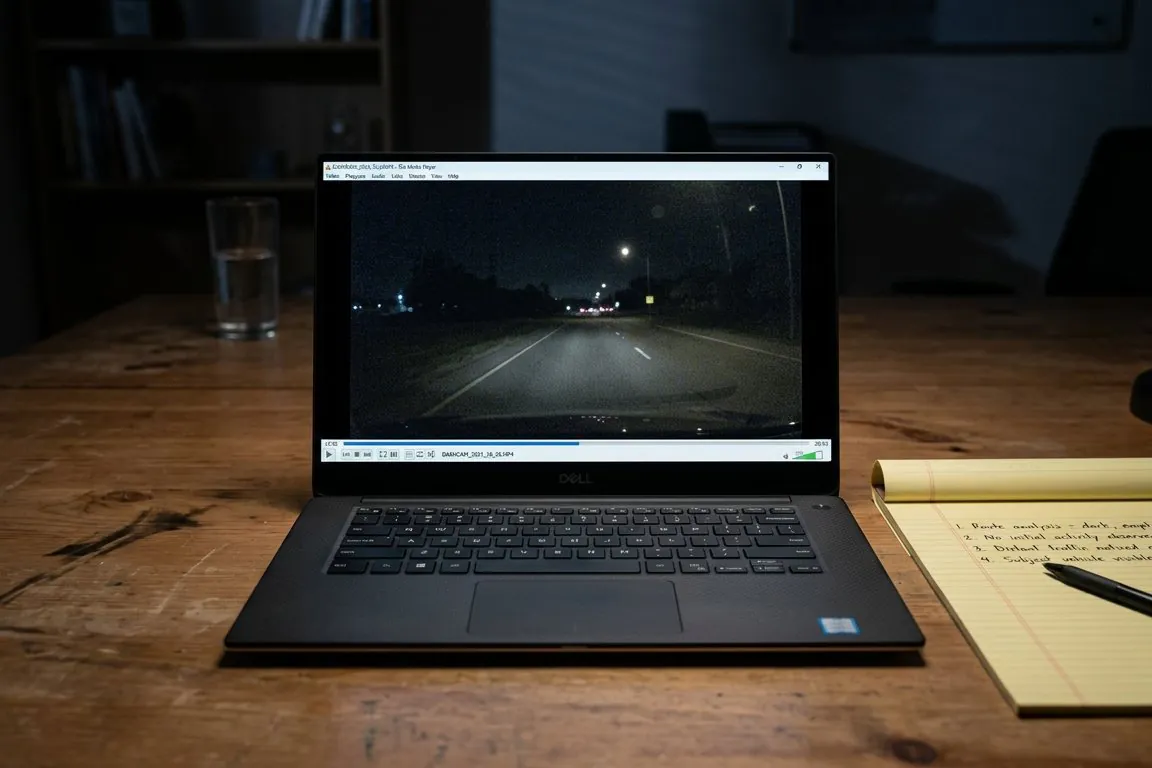
Because these charges depend heavily on exactly what happened during a police encounter, body-worn camera and dashcam footage — where available — is frequently the most important evidence in evaluating whether the specific conduct alleged actually meets the statutory requirements, or whether it reflects lawful, if uncooperative, behavior.
How These Cases Move Through Chino Hills Courts
An obstruction charge arising in Chino Hills is arraigned at the Rancho Cucamonga Justice Center[3]. Misdemeanor-level Section 148 charges proceed through standard pretrial hearings, while felony-level Section 69 charges add a preliminary hearing.
Questions about your case? Call (323) 622-4951. Free, confidential, 24/7.
What an Obstruction Defense Typically Examines
- Whether the officer was actually engaged in the lawful performance of their duties at the time of the alleged resistance
- Whether available body-worn camera or dashcam footage supports or contradicts the officer's account
- Whether the alleged conduct amounts to an actual act of resistance or obstruction, as opposed to lawful non-compliance or the exercise of a constitutional right
- Whether the charge was filed primarily to accompany a separate underlying charge from the same encounter, and whether that underlying charge itself holds up
Frequently Asked Questions
Can I be convicted of resisting arrest if the arrest itself was unlawful?
Generally no — the officer must be engaged in the lawful performance of their duties for a resisting or obstruction charge to apply, which means the legality of the underlying stop or arrest is directly relevant to the charge.
Does arguing with a police officer count as obstruction?
No — verbal criticism, disagreement, or exercising a constitutional right like remaining silent doesn't by itself meet the statutory requirement of an actual act of resistance, delay, or obstruction.
What's the difference between Penal Code 148 and Penal Code 69?
Penal Code 148 covers general resistance, delay, or obstruction and is a straight misdemeanor, while Penal Code 69 requires force or a threat of force and is a wobbler with felony exposure.
Facing an Obstruction or Resisting Charge in Chino Hills?
Whether the underlying police conduct was actually lawful is often the first question worth examining in these cases. The Cespedes Law Firm, L.C. is headquartered in Chino Hills and represents clients in English and Spanish throughout California. Call (323) 622-4951 for a free consultation.
This page is provided for general information only and is not legal advice. Contact our office to discuss the specifics of your case.