
A vandalism charge can range from a minor citation to a serious felony, and the deciding factor is almost always the same: the dollar amount of the damage. Understanding how that figure is calculated — and whether it's being calculated accurately — is often the key to understanding what's really at stake in the case.
What the Law Actually Requires
Under Penal Code § 594[1], vandalism occurs when a person maliciously damages, defaces (including with graffiti), or destroys property that isn't their own. The statute covers everything from spray-painting graffiti to smashing a window to keying a car, provided the act was done maliciously — meaning intentionally and without a legal justification, not accidentally.
Penalties Scale With the Amount of Damage
The classification of a vandalism charge depends directly on the cost of the damage:
- Under $400 in damage: a misdemeanor, punishable by up to one year in county jail and a fine of up to $1,000 (up to $5,000 for a second or subsequent offense).
- $400 or more in damage: a wobbler, chargeable as a misdemeanor or a felony, with felony exposure of 16 months, two years, or three years in county jail, and fines up to $10,000 (or up to $50,000 if the damage exceeds $10,000).
How Damage Amounts Are Calculated — and Why It's Often Contested
The dollar figure used to classify a vandalism charge is typically based on the actual or estimated cost of repair. Because this number directly determines whether a case is a low-level misdemeanor or a felony with real jail exposure, an inflated repair estimate, or damage improperly attributed to a single defendant when multiple people were involved, can change the entire trajectory of a case — making an accurate, independent review of the damage estimate one of the first things worth examining.
Graffiti Carries Its Own Specific Considerations
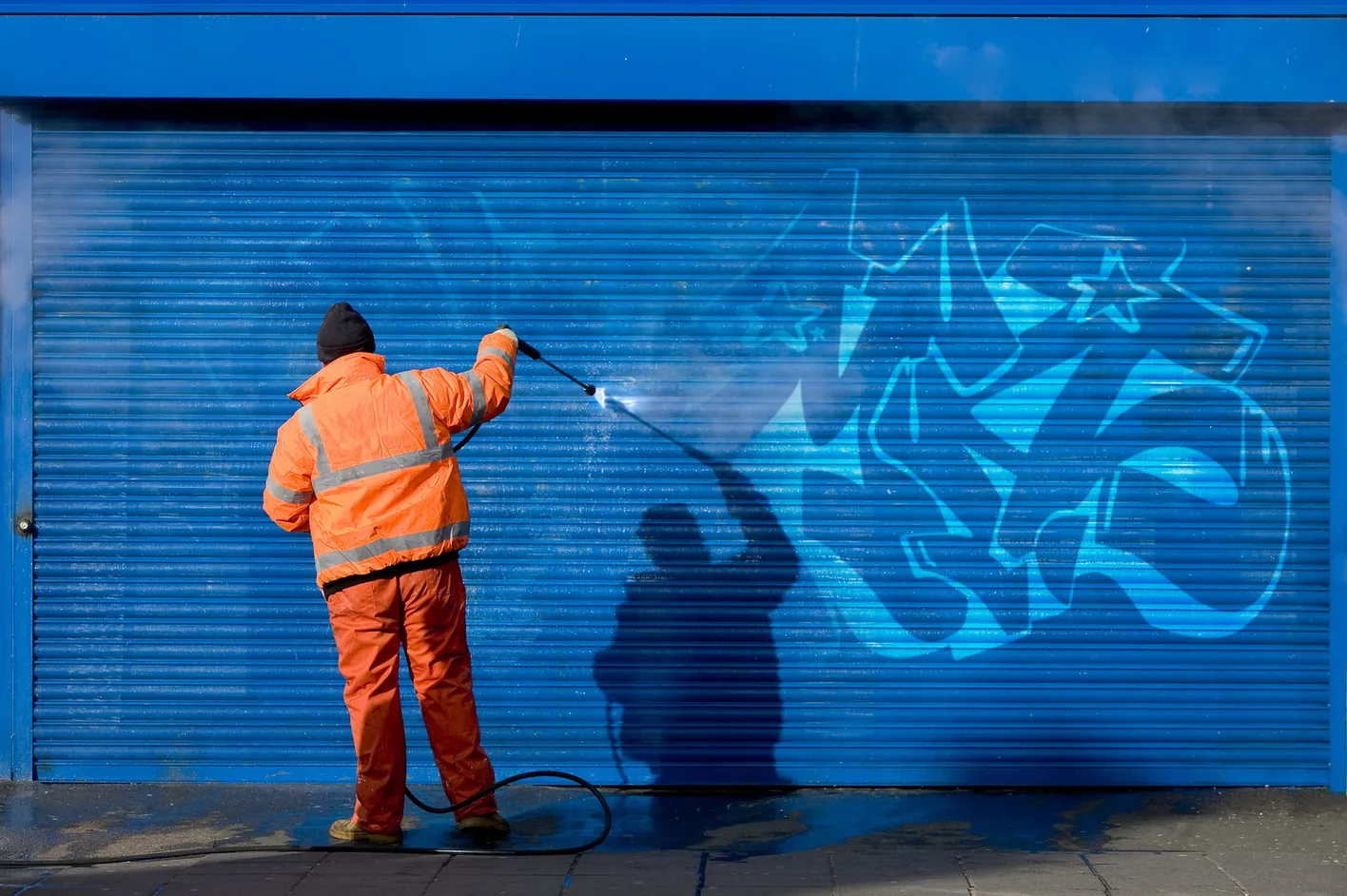
Graffiti vandalism is treated the same as other property damage under Section 594 in terms of classification by dollar amount, but courts frequently impose additional consequences specific to graffiti cases, including community service requirements involving graffiti removal and, for a driver's license holder under 21, a possible license suspension or delayed eligibility.

The "Malicious" Requirement Excludes Accidental Damage
Because the statute requires the damage to be done maliciously, property damage that results from an accident, from ordinary use, or from conduct done with a good-faith belief in a legal right to act doesn't meet the legal standard for vandalism — even if the property owner disagrees with how the damage occurred.
How Vandalism Cases Move Through Chino Hills Courts
A vandalism arrest in Chino Hills is arraigned at the Rancho Cucamonga Justice Center[2]. Misdemeanor-level vandalism cases typically proceed through pretrial negotiation, while felony-level charges — where the damage exceeds $400 and is charged as a felony — add a preliminary hearing where the valuation of the damage is often directly at issue.
What a Vandalism Defense Typically Examines
- Whether the repair or replacement cost used to classify the charge is accurate and properly documented
- Whether the evidence actually establishes malicious intent, as opposed to accidental or unintentional damage
- Whether the defendant is actually the person responsible, in cases involving graffiti or damage in areas with limited surveillance
- Whether damage from multiple incidents or multiple people has been improperly aggregated or attributed
Questions about your case? Call (323) 622-4951. Free, confidential, 24/7.
Frequently Asked Questions
What's the dollar amount that turns vandalism into a felony?
$400. Damage under that amount is a straight misdemeanor, while $400 or more makes it a wobbler that can be charged as a misdemeanor or a felony.
Can I be charged with vandalism for damage that was an accident?
No — vandalism under Penal Code 594 requires that the damage be done maliciously. Accidental damage doesn't meet the legal standard, though it may still create civil liability.
Does a graffiti charge carry any consequences beyond the standard vandalism penalties?
Often yes — graffiti cases frequently come with additional consequences like mandatory graffiti-removal community service and, for younger drivers, potential license consequences.
Facing a Vandalism Charge in Chino Hills?
How the damage amount was calculated is often the single most important number in the entire case. The Cespedes Law Firm, L.C. is headquartered in Chino Hills and represents clients in English and Spanish throughout California. Call (323) 622-4951 for a free consultation.
This page is provided for general information only and is not legal advice. Contact our office to discuss the specifics of your case.