
DUI Defense
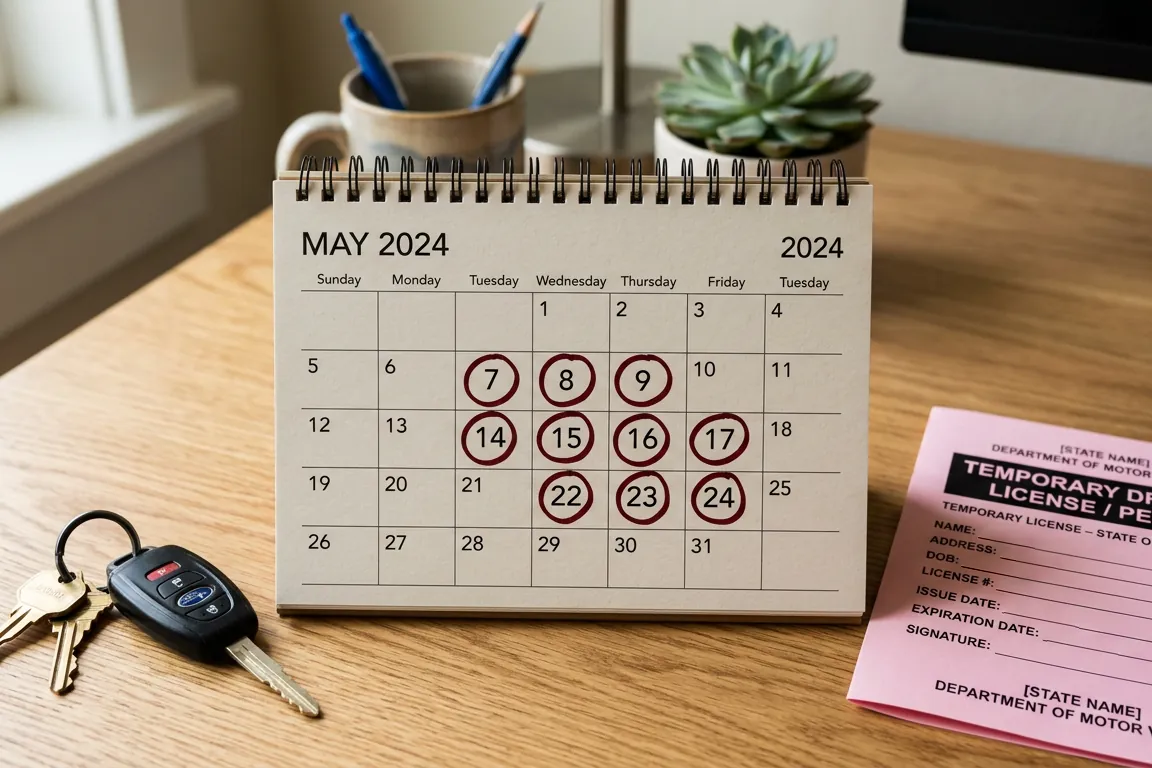
A DUI arrest sets two separate clocks running at once: a criminal case that moves through the courts, and a DMV administrative case that moves on its own, much faster timeline. Most of the decisions that matter in those first 10 days have nothing to do with guilt or innocence — they're about deadlines, and missing one can cost you your license before your criminal case has even had a first hearing.
Booking and Release
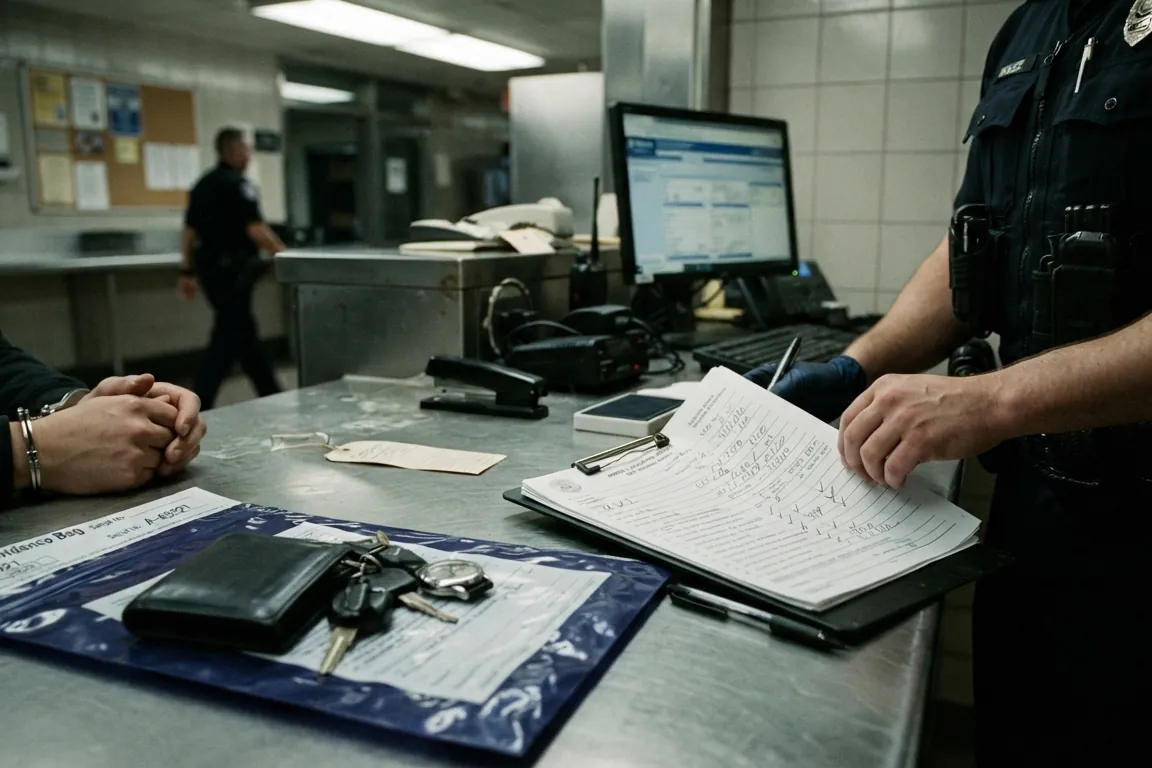
After a DUI arrest, a driver is typically booked — photographed, fingerprinted, and processed — and then released on their own recognizance, on bail, or held, depending on the county's bail schedule and the specifics of the arrest. Vehicle Code violations can result in either a citation-and-release or a full custodial booking, depending on the circumstances of the stop.
The Chemical Test and Implied Consent
California's implied consent law, Vehicle Code § 23612[1], requires any driver lawfully arrested for DUI to submit to a chemical breath or blood test to determine blood alcohol concentration. Refusing that test doesn't avoid the case — it triggers its own, harsher set of DMV consequences, on top of whatever the underlying DUI charge carries.
The Paperwork You're Handed at the Scene
If a driver tests at or above the legal limit, or refuses testing, the arresting officer typically confiscates the physical license and issues a temporary license along with a notice of suspension. That notice is not just a formality — it's the document that starts the 10-day clock described below, and it's worth keeping until the matter is resolved.
The 10-Day Deadline You Cannot Miss
This is the single most time-sensitive part of the entire process. Under California's Administrative Per Se (APS) program[2], a driver has only 10 calendar days from the date of arrest to request a DMV hearing challenging the license suspension. If that request isn't made in time, the suspension takes effect automatically — regardless of what ultimately happens with the criminal charge, including a reduction, a dismissal, or an acquittal. The DMV case and the criminal case are legally independent of each other.
Arraignment: The First Court Date
Separately, the criminal case moves toward arraignment — the defendant's first appearance before a judge, where the charges are formally read and an initial plea is entered. Under Penal Code § 825[3], a person in custody must be taken before a magistrate without unnecessary delay, and in any event within 48 hours of arrest, excluding weekends and holidays. For someone released rather than held, the arraignment date is typically set for several weeks out, giving more time to prepare — but the 10-day DMV deadline still runs from the arrest date, not the arraignment date.
What Happens If the 10-Day Window Is Missed
Once the window closes without a hearing request, the suspension proceeds automatically, and reopening that door administratively becomes far more limited. This is why the first 10 days matter more than almost any other stretch of the case — not because guilt is being decided, but because a procedural right disappears permanently if it isn't exercised in time.
Questions about your case? Call (323) 622-4951. Free, confidential, 24/7.
What Typically Happens in the First 10 Days
- Requesting the DMV Administrative Per Se hearing before the deadline
- Obtaining the arrest report, chemical test records, and any body-worn camera footage
- Reviewing whether the traffic stop, field sobriety testing, and chemical test were properly conducted
- Confirming the arraignment date and preparing for that first court appearance
Requesting the DMV Hearing Doesn't Mean Admitting Anything
Requesting an APS hearing is a procedural step, not an admission that the arrest or the test results were valid. It simply preserves the right to challenge the suspension administratively — a right that, once the 10-day window closes, cannot be exercised later. Filing the request promptly leaves every option open while the underlying facts of the arrest are still being reviewed.
Requesting an APS hearing is a procedural step, not an admission that the arrest or the test results were valid.
What the DMV Hearing Actually Covers
An APS hearing is narrower than the criminal case. The hearing officer generally considers only whether the officer had reasonable cause to believe the driver was in violation, whether a lawful arrest occurred, and whether the driver was driving with a BAC of 0.08% or higher (or refused testing). It does not retry the entire criminal case, and its outcome doesn't determine guilt or innocence on the underlying DUI charge — the two proceedings run on separate, independent tracks with separate standards.
The DMV hearing
- Whether the officer had reasonable cause
- Whether the arrest was lawful
- Whether the BAC was 0.08% or higher, or the test was refused
- Decides the license, not guilt
The criminal case
- Decides guilt or innocence
- Decides the sentence
- Runs on its own track and its own standards
Why Acting Early Also Helps the Criminal Case
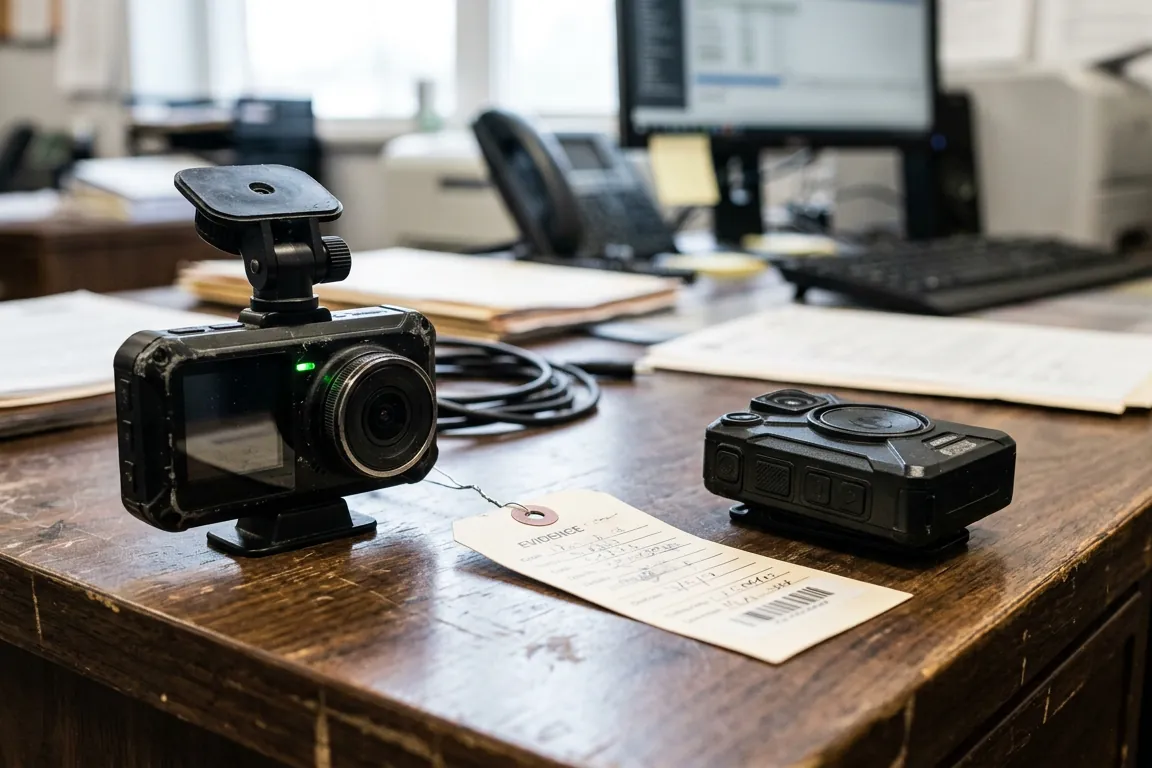
The first 10 days aren't only about the DMV deadline. Evidence like patrol vehicle dashcam footage, body-worn camera recordings, and dispatch logs can be time-sensitive, and requesting preservation of that evidence early — rather than waiting until closer to a court date — helps make sure it's still available for review when the criminal case is being built.
Questions about your case? Call (323) 622-4951. Free, confidential, 24/7.
Frequently Asked Questions
Does the 10-day DMV deadline count weekends?
Yes — it's 10 calendar days from the date of arrest, not 10 business days, which is why acting quickly matters.
If my DUI charge is later dismissed, does that undo the DMV suspension?
Not automatically. The DMV administrative case and the criminal case are separate proceedings, and a resolution in one doesn't automatically resolve the other.
What if I refused the chemical test?
A refusal under Vehicle Code 23612 carries its own DMV consequences, typically more severe than a test that shows a BAC over the legal limit, and it still requires timely action to preserve any right to a hearing.
Just Been Arrested for DUI in California?
The clock starts the moment of arrest, not the moment you decide what to do next. The Cespedes Law Firm, L.C. is headquartered in Chino Hills and represents clients in English and Spanish throughout California. Call (323) 622-4951 for a free consultation.
This article is general information about California law, not legal advice. Every case turns on its own facts; contact our office to discuss yours.