

Some California crimes don't come with a fixed classification — they can be charged, and ultimately punished, as either a misdemeanor or a felony. These are called "wobblers," and which way a case actually goes can depend as much on advocacy and timing as it does on the underlying facts.
The Legal Basis for a Wobbler
Under Penal Code § 17(b)[1], a crime punishable, in the discretion of the court, by either state prison or county jail is a felony for all purposes until sentencing, unless and until a court reduces it to a misdemeanor under one of several specific circumstances described in that statute. This means a wobbler starts its life in the system as a felony, even if it's ultimately resolved as a misdemeanor.
Common Examples of Wobbler Offenses
Many of California's most frequently charged crimes are wobblers, including:
- Grand theft, under Penal Code § 487[2]
- Assault with a deadly weapon, under Penal Code § 245[3]
- Corporal injury on a spouse or cohabitant, under Penal Code § 273.5[4]
- DUI causing injury, under Vehicle Code § 23153
- Many burglary, fraud, and drug possession-for-sale charges
When the Classification Decision Actually Gets Made
The initial charging decision belongs to the District Attorney's office, which decides at filing whether to pursue a wobbler as a felony or a misdemeanor based on the severity of the conduct, the defendant's criminal history, and office-wide charging policies. But that's not necessarily the final word — a defendant can request that the court reduce a wobbler to a misdemeanor at various stages, including at a preliminary hearing, at sentencing, or in some cases even after successfully completing felony probation, under the same Penal Code § 17(b) framework.
Why the Charging Decision Carries So Much Weight
The difference between a felony and misdemeanor resolution on a wobbler affects far more than the maximum jail exposure. A felony conviction can result in the loss of firearm rights, can affect professional licensing, can trigger immigration consequences for non-citizens, and generally carries a longer-lasting stigma on background checks — even when the underlying conduct and eventual sentence look similar on paper. This is exactly why advocacy at the charging and sentencing stages of a wobbler case can matter as much as the facts of the incident itself.
Factors That Influence Whether a Wobbler Resolves as a Felony or Misdemeanor
- The defendant's criminal history, including any prior felony convictions
- The specific facts and severity of the underlying conduct, including any injury involved
- Whether the defendant has taken responsibility, sought treatment, or made restitution where applicable
- The charging policies and practices of the specific District Attorney's office handling the case
How Wobbler Cases Move Through Chino Hills Courts
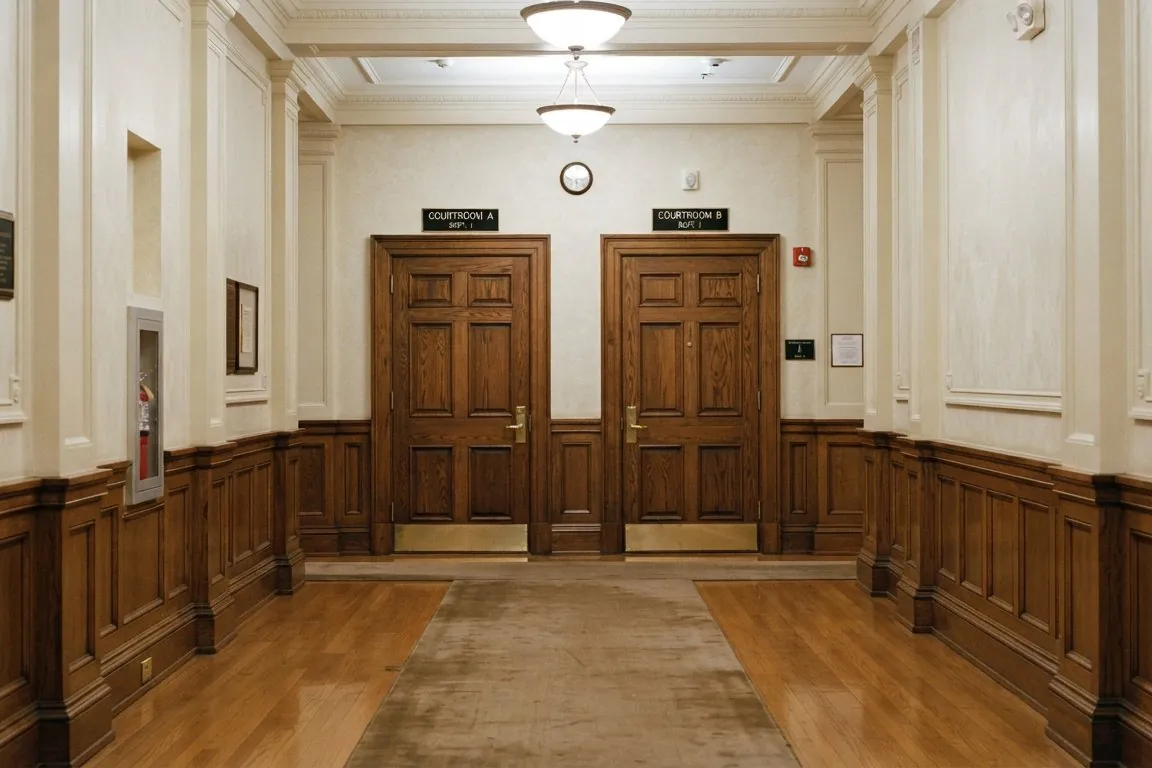
A wobbler arrest in Chino Hills typically begins with a felony-level arraignment at the Rancho Cucamonga Justice Center[5], since the charge is treated as a felony until formally reduced. From there, the case proceeds through a preliminary hearing unless it's resolved or reduced earlier, with the classification question often becoming a central part of pretrial negotiation.
Questions about your case? Call (323) 622-4951. Free, confidential, 24/7.
What a Wobbler Defense Typically Examines
- Whether the initial felony filing decision is supported by the actual facts, or whether a misdemeanor filing would be more appropriate
- Whether grounds exist to request a reduction to misdemeanor status under Penal Code 17(b), and at what stage that request is most likely to succeed
- Whether the defendant's background and the circumstances of the case support an argument for the more favorable classification
- Whether the underlying evidence supports the charge at either classification level
Frequently Asked Questions
If my charge is a wobbler, does that mean it will definitely be reduced to a misdemeanor?
No — a wobbler is treated as a felony from filing until a court formally reduces it, and reduction isn't automatic. It generally requires an affirmative request and depends on the specific facts and the defendant's history.
Can a wobbler be reduced to a misdemeanor after I've already been convicted?
In some circumstances, yes — a defendant who successfully completes felony probation on a wobbler may be able to petition the court to reduce the conviction to a misdemeanor under Penal Code 17(b).
Why does it matter whether my wobbler resolves as a felony or misdemeanor if the jail time is similar?
Beyond jail time, a felony conviction can affect firearm rights, professional licensing, and immigration status in ways a misdemeanor conviction generally doesn't — even when the sentences themselves look comparable.
Facing a Wobbler Charge in Chino Hills?
Whether a wobbler resolves as a felony or a misdemeanor is often the single biggest factor in how the case affects your future. The Cespedes Law Firm, L.C. is headquartered in Chino Hills and represents clients in English and Spanish throughout California. Call (323) 622-4951 for a free consultation.
This page is provided for general information only and is not legal advice. Contact our office to discuss the specifics of your case.