
Most people assume a DUI charge is only about the number on a breath test. In reality, California law allows prosecutors to prove impairment two different ways — and understanding which theory is being used against you changes how the case is defended.
Two Separate Ways to Prove the Same Charge
California Vehicle Code § 23152[1] contains two distinct theories of DUI:
- Subdivision (a) — the "traditional" or impairment-based DUI: It's unlawful to drive while actually under the influence of alcohol, regardless of the specific BAC number, based on how the alcohol affected your ability to drive safely.
- Subdivision (b) — the "per se" DUI: It's unlawful to drive with a BAC of 0.08% or higher, full stop, regardless of whether you appeared impaired.
Prosecutors in Chino Hills DUI cases frequently charge both theories together, meaning a case can proceed even if there's a dispute about the chemical test results, based on the "traditional" impairment theory alone.
Why the Distinction Actually Matters for Your Defense
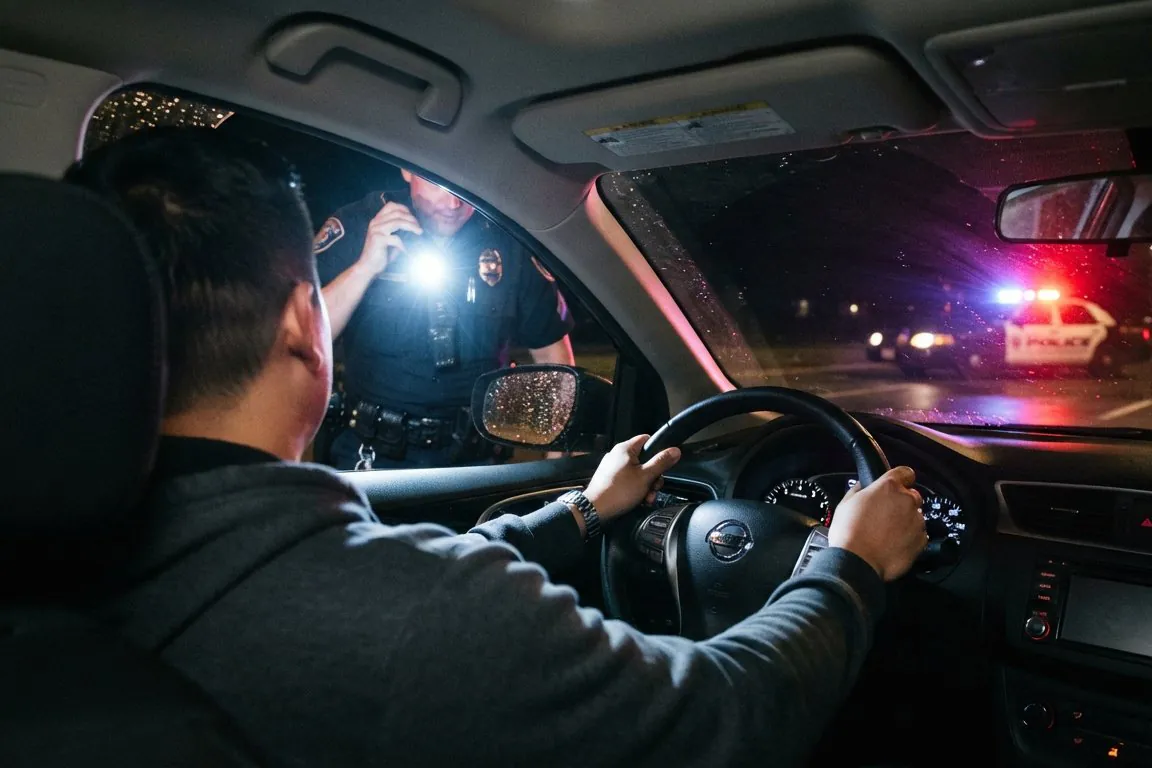
Because subdivision (a) depends on how you were actually driving and behaving — not just a number — the driving pattern, field sobriety test performance, and officer observations described in the police report carry significant weight. A driver who was stopped for a minor equipment violation and showed no signs of impaired driving is in a meaningfully different position than one who was weaving across lanes, even if their BAC results are identical.
How This Plays Out in San Bernardino County Court
DUI arrests in Chino Hills are typically arraigned at the Rancho Cucamonga Justice Center[2]. At pretrial hearings, both the arrest narrative supporting the "traditional" impairment theory and any chemical test evidence supporting the "per se" theory are reviewed and can be challenged independently — meaning a weakness in one theory doesn't necessarily end the case, but it also doesn't mean the other theory stands unchallenged.
What Gets Scrutinized in an Impairment-Based DUI Case
- The specific driving pattern the officer described as the basis for the stop
- Field sobriety test administration and whether standardized procedures were followed
- The officer's own observations of speech, coordination, and behavior — and whether alternative explanations exist
- Whether the arrest narrative is internally consistent with any dash-cam or body-worn camera footage

Frequently Asked Questions
Can I be convicted of DUI even if my breath test result was below 0.08%?
Yes — under the "traditional" impairment theory in Vehicle Code 23152(a), a prosecutor can still argue you were impaired based on driving pattern and officer observations, independent of the specific chemical test number.
If my case relies mostly on officer observations, is it weaker than a case with a clear breath test result?
Not necessarily weaker for the prosecution, but it does open different avenues for challenge, since officer observations are inherently more subjective than a chemical test result.
Why would a prosecutor charge both theories at once?
Charging both the impairment-based and per se theories together gives the prosecution two paths to a conviction, so a problem with one theory (such as a chemical test issue) doesn't automatically end the case.
Charged With DUI Based on Officer Observations?
How a DUI is charged shapes how it should be defended. The Cespedes Law Firm, L.C. is headquartered in Chino Hills and represents clients in English and Spanish throughout California. Call (323) 622-4951 for a free consultation.
This page is provided for general information only and is not legal advice. Contact our office to discuss the specifics of your case.