
Cannabis is legal for adult use in California, but driving after using it is not — and marijuana DUI cases work differently from alcohol-based DUI cases in ways that catch a lot of people off guard.
There's No "0.08%" Equivalent for Marijuana
Under California Vehicle Code § 23152(f)[1], it's unlawful to drive while under the influence of any drug, including cannabis. Unlike alcohol, where a 0.08% blood alcohol concentration creates a legal presumption of impairment, California has not set a specific per se THC blood level that automatically proves impairment. That means marijuana DUI cases typically turn on officer observations, field sobriety test performance, and — in many cases — an evaluation by a Drug Recognition Expert (DRE), rather than a single chemical number.
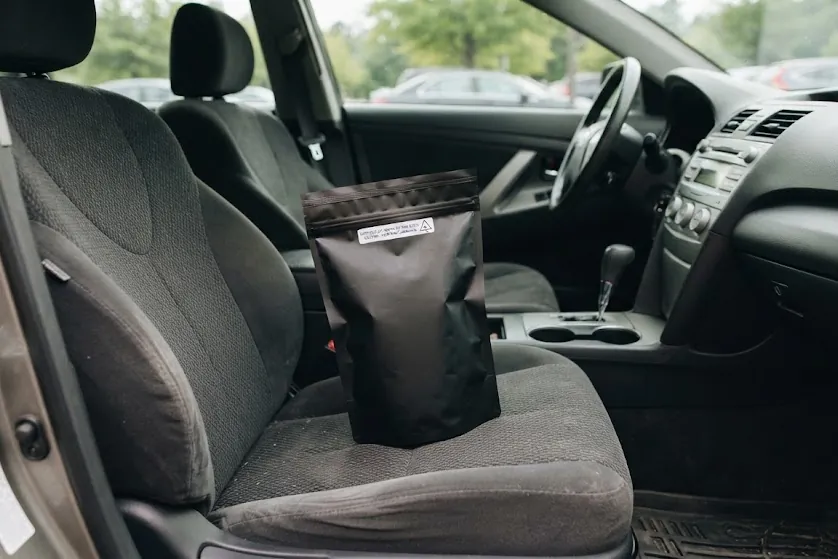
Having Cannabis in the Car Is Its Own Separate Charge
Even without any impairment, California Vehicle Code § 23222(b)[2] makes it an infraction, punishable by a fine of up to $100, to possess an open or unsealed container of cannabis or cannabis products while driving. This is a separate charge from DUI itself, and it's common to see both charges arise from the same traffic stop in Chino Hills and throughout San Bernardino County.
How These Cases Move Through Chino Hills Courts
A marijuana DUI arrest in Chino Hills is typically arraigned at the Rancho Cucamonga Justice Center[3], the San Bernardino County Superior Court location serving the area. From there, the case proceeds through pretrial hearings where evidence — including the arresting officer's observations, any field sobriety test results, and DRE evaluation notes, if one was conducted — is reviewed and challenged before any trial date is set.
Medical Cannabis Patients Are Not Exempt From DUI Laws
Having a valid medical recommendation for cannabis use does not create an exception to Vehicle Code 23152(f). A medical cannabis patient can still be charged with DUI if an officer develops probable cause to believe the person was impaired while driving.
Building a Defense to a Marijuana DUI Charge
Because there's no per se THC number, these cases often hinge on subjective evidence that can be challenged:
- Whether the field sobriety tests were properly administered and interpreted
- Whether the officer's training and observations actually support a finding of impairment, as opposed to normal nervousness or unrelated medical conditions
- Whether a DRE evaluation, if conducted, followed the required protocol
- Whether blood test results (measuring THC presence, not necessarily impairment at the time of driving) are being used to imply something they don't actually establish

Frequently Asked Questions
Can I be charged with DUI in Chino Hills if I have a medical marijuana card?
Yes. A medical recommendation for cannabis does not protect against a DUI charge if an officer believes you were impaired while driving.
Is there a specific THC level that means I'm automatically guilty?
No. Unlike alcohol's 0.08% threshold, California has not established a per se THC limit, so these cases are usually proven through observation-based evidence rather than a single number.
Can I get both a DUI charge and an open container charge from the same stop?
Yes — Vehicle Code 23152(f) (the DUI charge) and Vehicle Code 23222(b) (the open container infraction) are separate offenses that frequently appear together.
Questions about your case? Call (323) 622-4951. Free, confidential, 24/7.
Facing a Marijuana DUI Charge in Chino Hills?
Cannabis DUI cases are often more defensible than they first appear, precisely because there's no fixed number the prosecution can point to. The Cespedes Law Firm, L.C. is headquartered in Chino Hills and represents clients in English and Spanish throughout California. Call (323) 622-4951 for a free consultation.
This page is provided for general information only and is not legal advice. Contact our office to discuss the specifics of your case.